
Online skill games are often judged too quickly. Many first-time players assume they are either pure luck or overly complicated, leaving no room for strategy. Mines proves that assumption wrong. At its core, it is a game about reading patterns, understanding probability, and making calm decisions under pressure. When played thoughtfully on Fairplay, Mines becomes less about chasing outcomes and more about managing choices.
This guide doesn’t follow the usual “step-by-step manual” format. Instead, it breaks the game down the way players actually experience it—from the moment they open the grid to the second they decide whether to cash out or push forward. By the end, you’ll understand how Mines works, how payouts are calculated, and why many users see it as one of the most engaging formats available on Fairplay today.
Understanding the Core Idea Behind Mines
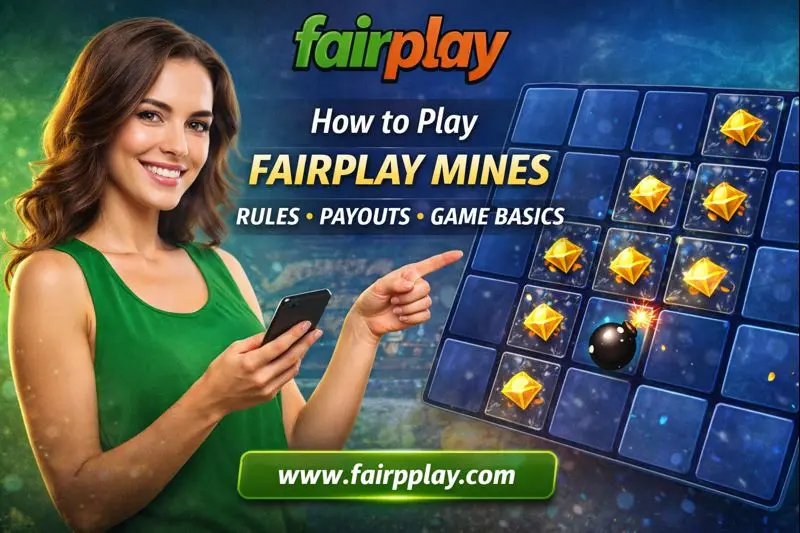
Mines is built around a simple visual concept: a grid of tiles hides a certain number of mines. Your goal is to reveal safe tiles without uncovering a mine. Each successful click increases your potential payout, while a single wrong choice ends the round instantly.
What makes the game appealing is not complexity, but control. Players decide:
- How many mines to place
- How many tiles to uncover
- When to stop and lock in winnings
Unlike fast-paced formats where outcomes resolve in seconds, Mines allows players to slow down. Every move is deliberate, and every decision has a clear risk-to-reward relationship.
On Fairplay, this structure is designed to be transparent, making it easier for beginners to understand outcomes without needing advanced math skills.
The First Interaction: Setting the Board
Before the round begins, players choose how many mines will appear on the grid. This choice defines the personality of the round.
- Fewer mines create a calmer experience with smaller but steadier potential gains.
- More mines increase volatility, offering sharper multipliers but far greater risk.
This moment—before the first tile is clicked—is where the game truly starts. Experienced players treat this step seriously because it sets expectations. There is no “correct” number of mines, only what matches your comfort level and objective for that session.
This design philosophy aligns with the broader Fair play approach: give users flexibility rather than forcing one betting style.
Clicking Tiles: Where Strategy Meets Discipline
Once the grid is live, the temptation to click rapidly is strong. However, Mines rewards patience. Each tile you open increases your payout multiplier incrementally. The key question becomes: Is the next click worth it?
Many new players lose not because the game is unfair, but because they ignore discipline. Successful users often follow internal rules such as:
- Never opening more than a set number of tiles per round
- Cashing out after reaching a pre-decided multiplier
- Avoiding emotional decisions after a loss
Over time, these habits help players remain consistent rather than reactive. On Fairplay, this controlled pacing is one of the reasons Mines attracts repeat users.
How Payouts Actually Work (Without the Math Headache)
Payouts in Mines increase as the probability of hitting a mine rises. Each safe tile reduces the number of remaining safe options, naturally boosting the multiplier.
Instead of memorizing formulas, think of payouts like climbing stairs:
- Early steps are low and safe
- Higher steps offer better views but carry more danger
Cash out early, and your profit is modest but reliable. Stay longer, and rewards increase—but only if luck stays on your side.
This payout transparency is one of the most appreciated features on Fairplay, especially for players who dislike hidden mechanics or unclear odds.
Why Mines Appeals to Analytical Players
Unlike games that rely on speed or reflexes, Mines favors calm thinkers. The absence of time pressure allows players to reflect after each click. This creates a unique rhythm that appeals to:
- Risk managers
- Data-focused users
- Players who prefer control over chaos
It’s no coincidence that Mines is often recommended to users transitioning from traditional sports betting into skill-based formats. The decision-making mindset is similar, just applied in a different environment.
Players accessing Mines through the Fairplay App often mention how intuitive the interface feels, especially on mobile, where clarity matters most.
Managing Your Session, Not Just the Game
One of the biggest mistakes beginners make is treating each round in isolation. In reality, Mines should be approached as a session-based experience.
Smart players:
- Set a session budget before starting
- Decide their maximum acceptable loss
- Stop playing after reaching a target gain
This mindset transforms Mines from a reactive game into a planned activity. On Fairplay, tools and account transparency make it easier to track performance across sessions rather than chasing single-round outcomes.
Common Myths New Players Believe
Mines attracts several misconceptions, especially among first-time users.
Myth 1: The grid follows patterns
Each round is independent. There is no memory of previous outcomes.
Myth 2: Clicking faster improves odds
Speed has no impact. Thoughtful pacing is far more effective.
Myth 3: High mines always mean higher profit
While multipliers increase, losses become far more frequent.
Understanding these myths early helps players avoid frustration and approach the game realistically on Fairplay.
The Psychological Side of Cashing Out
Cashing out is the hardest decision in Mines. Technically, every extra click offers higher value. Emotionally, it increases stress.
Experienced players treat cashing out as a success, not a missed opportunity. Walking away with a controlled gain reinforces discipline, which matters far more than chasing perfect outcomes.
This emotional balance is a major reason Mines is promoted as a responsible option on Fairplay, particularly when paired with educational content like this guide on matchday boosts: Fairplay Matchday Boosts: Special Cricket Bonuses
Why Mines Fits Naturally Into the Fairplay Ecosystem
Mines isn’t just an add-on—it fits naturally into the broader platform philosophy. Fairplay emphasizes:
- Clear mechanics
- User-driven decisions
- Fair odds presentation
Players who already understand platform navigation through Fairplay Login find Mines easy to access and intuitive to start. Account holders using a Fairplay ID also benefit from consistent balance updates and smooth transitions between games.
For new users completing Fairplay Register, Mines is often recommended as a low-pressure introduction before exploring other formats.
Long-Term Learning Through Repetition
Mines is one of those games where improvement is subtle. There is no sudden mastery moment. Instead, learning happens gradually:
- Understanding personal risk tolerance
- Recognizing emotional triggers
- Identifying optimal stopping points
This slow improvement curve is what keeps players engaged. Over time, Mines becomes less about chance and more about decision quality—especially when played regularly on Fairplay.
Final Thoughts: Playing Smart, Not Fast
Mines is best enjoyed when approached calmly. It rewards players who respect probability, accept losses gracefully, and value consistency over excitement. When played on Fairplay, the game’s transparent design and user-focused interface enhance this experience further.
Rather than asking, “How much can I win this round?” better players ask, “Did I play this round correctly?” That mindset shift is where long-term enjoyment and smarter outcomes truly begin.
Whether you’re opening your first tile or refining your strategy after dozens of sessions, Mines remains a game that grows with you—one thoughtful click at a time—on Fairplay.